

Northern Vietnam Itinerary: Best Routes For 7, 10 And 14 Days
Content []
However, planning a Northern Vietnam itinerary requires more than choosing a list of destinations. Distances between attractions can be considerable, mountain journeys take time, and some experiences are best enjoyed with an overnight stay rather than a quick day trip.
So, how many days do you need to explore Northern Vietnam? Which destinations should you prioritize, and how can you organize your route?
This guide introduces the best places to visit in Northern Vietnam, explains how the main destinations connect, and provides practical 7, 10 and 14-day itinerary options to help you plan a memorable trip.
Table of Contents
- 1. North Vietnam Holiday Destinations: Best Places to Visit
- 2. Northern Vietnam Itinerary Map: Routes and Key Destinations
- 3. How Many Days Do You Need in Northern Vietnam?
- 4. How to Travel Between Destinations in Northern Vietnam
- 5. Practical Tips for Planning Your Northern Vietnam Trip
- 6. Frequently Asked Questions About Northern Vietnam
- How Many Days Do I Need in Northern Vietnam?
- What Are the Best Places to Visit in Northern Vietnam?
- What Should I Not Miss in Northern Vietnam?
- Is Northern Vietnam Worth Visiting?
- Can I Include the Ha Giang Loop in a 10-Day Northern Vietnam Itinerary?
- What Is One of the Biggest Mistakes to Avoid When Planning a Northern Vietnam Trip?
- 7. Plan Your Northern Vietnam Journey with Auasia Travel
1. North Vietnam Holiday Destinations: Best Places to Visit
Northern Vietnam offers a remarkable combination of cultural heritage, natural scenery and traditional local life. Most first-time visitors begin in Hanoi before exploring nearby destinations such as Ninh Binh and Ha Long Bay. Travelers with more time can venture into the northern mountains, including Sapa and Ha Giang.
The following destinations are excellent starting points when planning your journey.
1.1. Hanoi – The Starting Point of Northern Vietnam
Hanoi is the natural starting point for most Northern Vietnam itineraries. As the country's capital, it combines historic architecture, traditional neighborhoods, local markets and an energetic street-food culture.
The Old Quarter is one of the best places to begin exploring. Its narrow streets, traditional shop houses and busy sidewalks offer an introduction to everyday Vietnamese life.
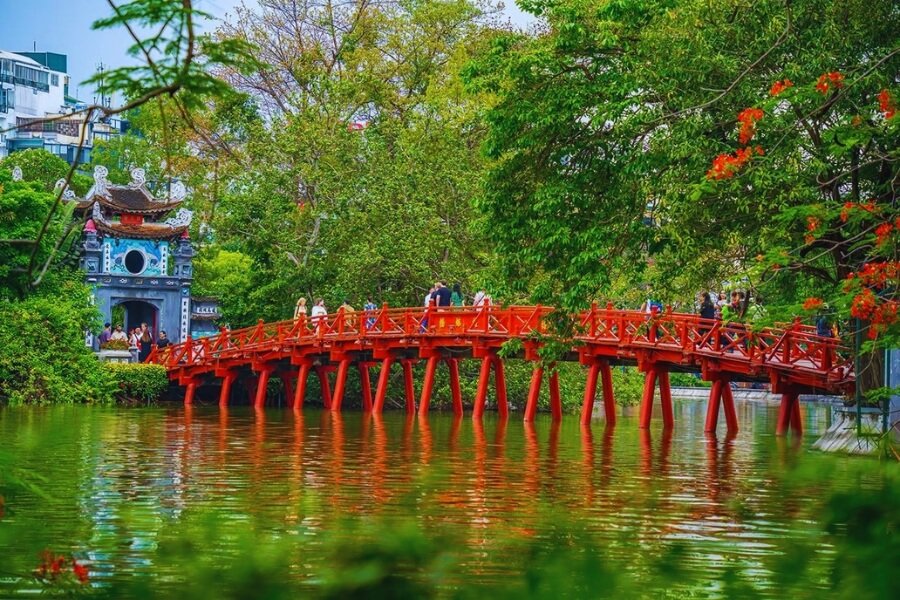
Other notable attractions include:
- Hoan Kiem Lake and Ngoc Son Temple.
- The Temple of Literature.
- The Imperial Citadel of Thang Long.
- Ho Chi Minh Mausoleum and Ba Dinh Square.
- Hanoi's traditional markets and local street-food streets.
Allow at least two days to explore Hanoi comfortably. This gives you enough time to visit the main landmarks, enjoy local cuisine and experience the city's atmosphere without rushing.
For first-time visitors, Hanoi is also a convenient base for arranging transportation to Ninh Binh, Ha Long Bay, Sapa and other northern destinations.
1.2. Ninh Binh and Tam Coc
Ninh Binh is famous for its limestone mountains, peaceful rivers, rice fields and historic temples. Often described as an ideal countryside escape from Hanoi, it offers a completely different atmosphere from the capital.
One of the region's most memorable experiences is a traditional sampan boat ride through the waterways of Trang An or Tam Coc, where limestone cliffs rise dramatically above the surrounding landscape.
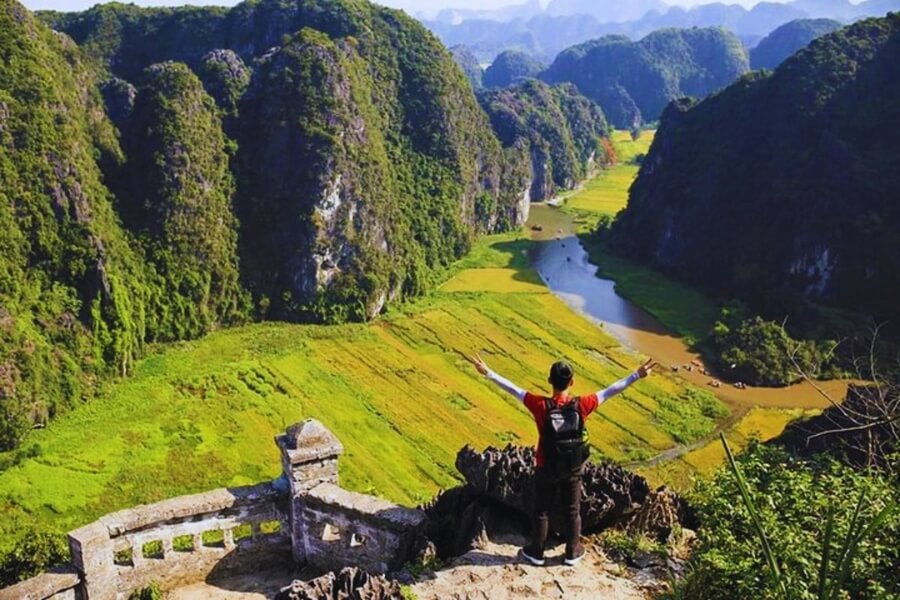
Popular attractions include:
- Trang An Landscape Complex.
- Tam Coc and the Ngo Dong River.
- Mua Cave viewpoint.
- Hoa Lu Ancient Capital.
- Bai Dinh Pagoda.
The Trang An Landscape Complex is recognized as a UNESCO World Heritage property, making it an important destination for travelers interested in Vietnam's natural and cultural heritage.
Ninh Binh is approximately 115 kilometers south of Hanoi. The train journey takes around two hours, while road transfers generally take around two to three hours, depending on the service and traffic.
Allow one to two days for Ninh Binh. An overnight stay in Tam Coc or Trang An is recommended if you want to enjoy the countryside at a relaxed pace.
1.3. Ha Long Bay and Cat Ba Island
Ha Long Bay is among Vietnam's most recognizable natural attractions. Its emerald waters, limestone islands and dramatic rock formations create one of the country's most distinctive coastal landscapes.

The best way to experience the bay is through a boat excursion or overnight cruise.
Popular activities include:
- Exploring limestone caves.
- Kayaking through sheltered lagoons.
- Visiting scenic viewpoints.
- Swimming at selected beaches when conditions permit.
- Enjoying an overnight cruise among the limestone islands.
Ha Long Bay and the Cat Ba Archipelago form a UNESCO World Heritage property, highlighting the international significance of this remarkable seascape.
Travelers who prefer a combination of coastal scenery and outdoor activities can also consider Cat Ba Island. It offers opportunities for hiking, exploring beaches and visiting Cat Ba National Park.
Most travelers spend one or two days exploring the bay. An overnight cruise is particularly worthwhile because it allows you to experience the scenery beyond a short daytime excursion.
1.4. Sapa and Fansipan
Located in the mountains of Lao Cai, Sapa is known for its terraced rice fields, mountain valleys, ethnic communities and spectacular scenery.
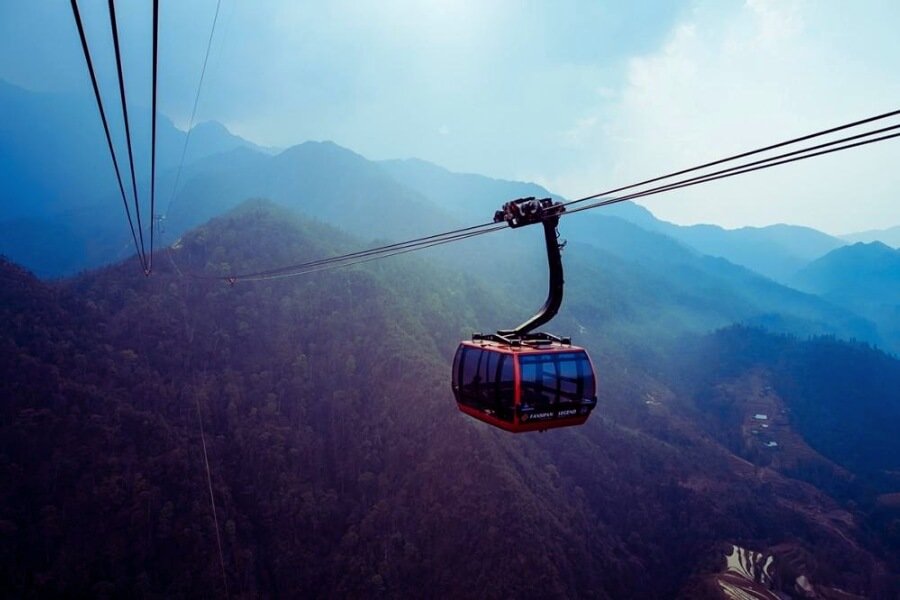
It is particularly attractive to travelers who enjoy trekking, photography and cultural experiences.
Some of the most popular experiences include:
- Trekking through Muong Hoa Valley.
- Visiting Y Linh Ho, Lao Chai and Ta Van villages.
- Exploring traditional ethnic communities.
- Enjoying panoramic mountain views.
- Taking the cable car to Fansipan Summit.
Fansipan reaches an officially measured elevation of approximately 3,147.3 meters above sea level, making it the highest mountain in Vietnam and a major highlight for visitors to Sapa.
Visitors can reach the summit area by cable car, followed by a walk or mountain train, depending on their preference and operating conditions.
Allow two to three days for Sapa if you want to combine village trekking, mountain scenery and Fansipan. Remember that travel between Hanoi and Sapa takes several hours, so include transportation time in your schedule.
1.5. Ha Giang Loop
For travelers seeking a more adventurous experience, Ha Giang offers some of the most spectacular mountain landscapes in Northern Vietnam.
The Ha Giang Loop is a multi-day road journey through remote highland communities, limestone mountains, dramatic passes and traditional villages.

Highlights include:
- Quan Ba Heaven's Gate.
- Quan Ba Twin Mountains.
- Dong Van Karst Plateau.
- Ma Pi Leng Pass.
- Nho Que River.
- Meo Vac and surrounding mountain communities.
The route is particularly attractive to travelers who enjoy scenic road trips and authentic cultural encounters.
A typical Ha Giang Loop takes three to four days, excluding the journey from Hanoi. For a more comfortable experience, allow four days for the loop itself.
The roads include steep sections, sharp bends and mountain passes, so travelers should carefully consider their riding experience.
International visitors who are not confident riding a motorbike can choose an Easy Rider experience with a local driver or arrange a private vehicle with an experienced driver.
Ha Giang is best treated as a dedicated extension rather than a quick stop between other destinations.
1.6. Other Northern Vietnam Destinations to Consider
If you have more time, several additional destinations can make your Northern Vietnam journey even more rewarding.
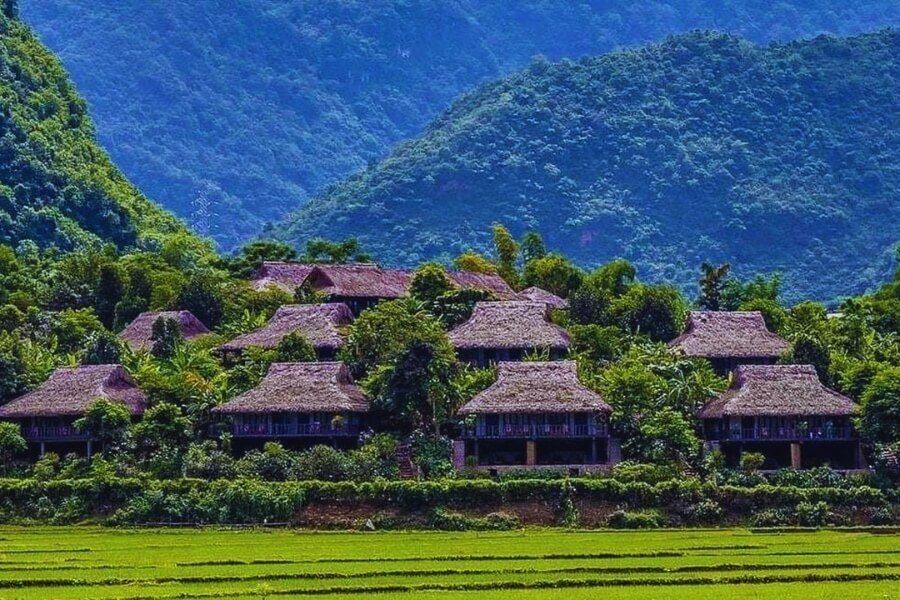
Mai Chau
Mai Chau is known for its peaceful valleys, rice fields and traditional Thai ethnic villages. It is a suitable destination for travelers interested in rural life, cycling and cultural experiences.
Pu Luong Nature Reserve
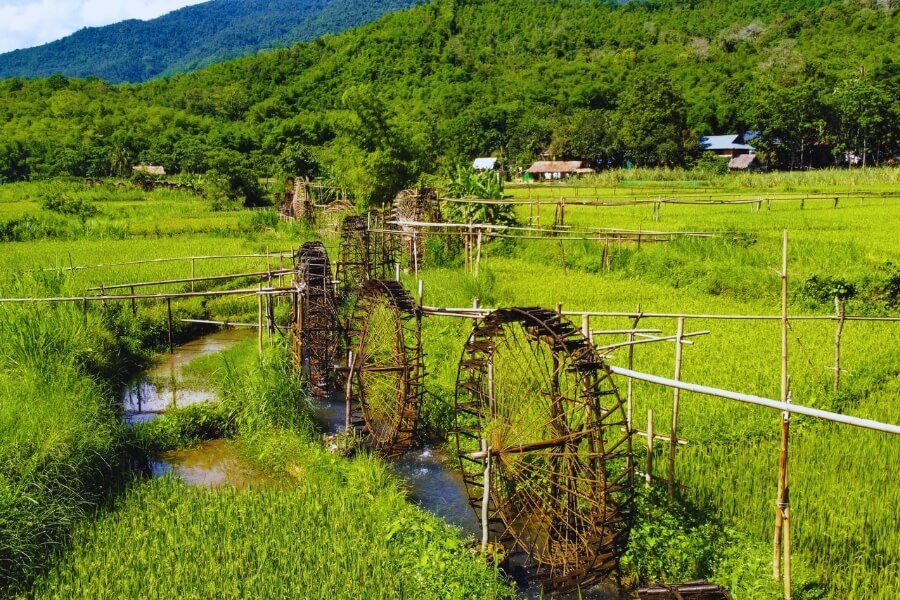
Pu Luong offers terraced landscapes, traditional villages, bamboo forests and peaceful countryside scenery. It is particularly appealing to visitors who want to explore beyond the more established tourist routes.
Cao Bang and Ban Gioc Waterfall
Located in northeastern Vietnam, Cao Bang is famous for dramatic mountain landscapes and Ban Gioc Waterfall, one of the country's most impressive natural attractions. It requires additional travel time and is best suited to longer journeys.

Ba Be Lake
Ba Be offers a quieter natural escape with freshwater scenery, forested mountains, caves and traditional villages. It is an attractive option for travelers interested in nature and community-based tourism.
You do not need to include every destination in one trip. Choose the locations that match your interests, available time and preferred travel pace.
2. Northern Vietnam Itinerary Map: Routes and Key Destinations
Understanding the geography of Northern Vietnam is essential when planning your route. Although many destinations appear relatively close together on a map, actual journey times can vary depending on road conditions, traffic and transportation arrangements.
Most travelers begin and finish their journeys in Hanoi, making the capital a convenient transportation hub.
A Northern Vietnam itinerary map should distinguish between the classic sightseeing route and the extended mountain route.
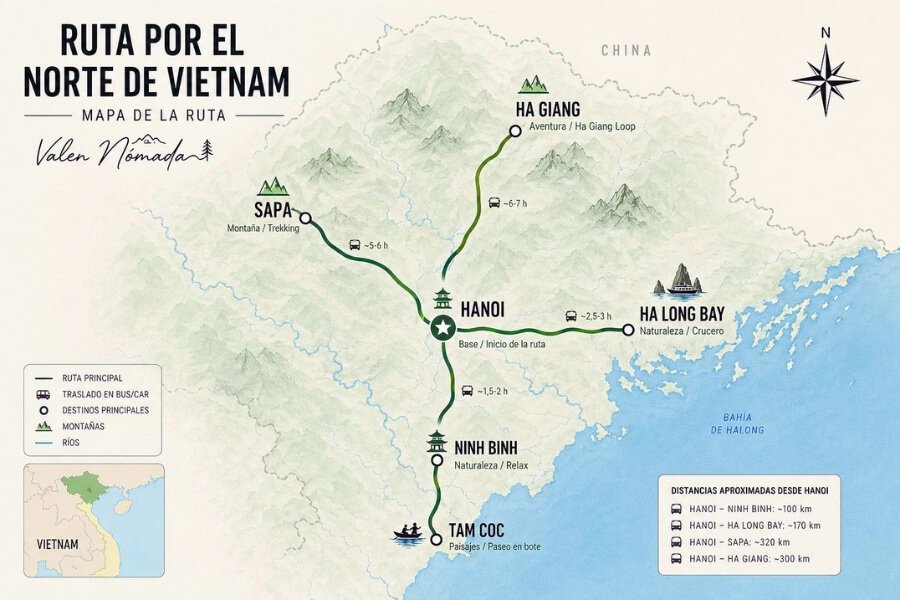
Use the Northern Vietnam tourist map below to understand how the region's main destinations connect. The classic route focuses on Hanoi, Ninh Binh and Ha Long Bay, while the extended mountain route introduces Sapa and the Ha Giang Loop. These routes can be planned separately or combined depending on your available travel time.
2.1. Classic Northern Vietnam Travel Route
The classic route connects Northern Vietnam's most popular destinations:
Hanoi → Ninh Binh → Ha Long Bay → Hanoi
Travelers with additional time can continue:
Hanoi → Sapa → Hanoi
This route works particularly well for first-time visitors because it combines cultural sightseeing, limestone landscapes, boat experiences and mountain scenery.
The main advantages are:
- Hanoi provides convenient international flight connections.
- Ninh Binh offers countryside experiences and cultural attractions.
- Ha Long Bay provides an overnight cruise experience.
- Sapa introduces travelers to mountain landscapes and local communities.
The destinations can be arranged in different orders depending on cruise departure schedules and available transportation.
For a more relaxed journey, avoid scheduling major activities immediately after long transfers.
2.2. Extended Northern Mountain Route
Travelers with approximately two weeks or more can consider extending their journey into the northern mountain region.
An extended route may include:
Hanoi → Sapa → Ha Giang → Dong Van → Meo Vac → Ha Giang → Hanoi
Alternatively, travelers interested in quieter countryside experiences can explore:
Hanoi → Mai Chau → Pu Luong → Ninh Binh → Ha Long Bay
These routes offer different experiences.
The Ha Giang route focuses on dramatic mountain roads, remote communities and the Dong Van Karst Plateau. The Mai Chau and Pu Luong route offers a slower countryside experience with trekking, cycling and traditional village visits.
Do not attempt to combine every northern destination simply because they appear on the same map. Some mountain routes require several hours of driving, and a realistic itinerary should account for both travel time and overnight stays.
3. How Many Days Do You Need in Northern Vietnam?
The ideal duration depends on your interests and how much time you want to spend traveling between destinations.
As a general guide:
Duration | Recommended Focus | Travel Style |
5 Days | Hanoi, Ninh Binh or Ha Long Bay | Short getaway |
7 Days | Hanoi, Ninh Binh and Ha Long Bay | Classic highlights |
10 Days | Hanoi, Ninh Binh, Ha Long Bay and Sapa | Balanced exploration |
14 Days | Main highlights plus an extended mountain or countryside route | In-depth journey |
For most first-time international visitors, seven to ten days provides a good introduction to Northern Vietnam. Two weeks allows more flexibility and the opportunity to explore beyond the main tourist route.
3.1. Northern Vietnam Itinerary 7 Days
A seven-day trip is ideal for travelers who want to discover the main highlights without spending too much time on long-distance transfers.
For this duration, prioritize Hanoi, Ninh Binh and Ha Long Bay rather than attempting to visit every destination.
Suggested 7-Day Itinerary
Day | Destination | Suggested Activities |
Day 1 | Hanoi | Arrival, hotel check-in and Old Quarter exploration |
Day 2 | Hanoi | City sightseeing, cultural landmarks and local food |
Day 3 | Ninh Binh | Transfer from Hanoi and Trang An boat trip |
Day 4 | Ninh Binh – Ha Long Bay | Explore Tam Coc or Mua Cave, then transfer to Ha Long |
Day 5 | Ha Long Bay | Board an overnight cruise, explore caves and islands |
Day 6 | Ha Long Bay – Hanoi | Cruise activities, disembark and return to Hanoi |
Day 7 | Hanoi | Departure or additional free time |
Why Choose This Route?
This route offers a good balance between cultural sightseeing, natural scenery and relaxing activities.
Two days in Hanoi provide time to understand the capital's history and food culture. Ninh Binh introduces travelers to rural landscapes and limestone scenery, while Ha Long Bay offers a memorable overnight cruise.
One practical consideration is the transfer from Ninh Binh to Ha Long Bay. Arrange a direct connection in advance and confirm the cruise check-in time. Allow several hours for the journey and check whether your accommodation or transfer provider can arrange a convenient pickup.
If Sapa is your main priority, consider replacing either Ninh Binh or Ha Long Bay rather than squeezing all four destinations into seven days.
3.2. Northern Vietnam Itinerary 10 Days
Ten days is an excellent duration for travelers who want to explore Northern Vietnam at a more comfortable pace.
Compared with the seven-day route, this itinerary adds Sapa, allowing visitors to experience the region's mountain landscapes and traditional villages.
Suggested 10-Day Itinerary
Day | Destination | Suggested Activities |
Day 1 | Hanoi | Arrival and hotel check-in |
Day 2 | Hanoi | City sightseeing and Old Quarter food experience |
Day 3 | Ninh Binh | Transfer from Hanoi and visit Trang An |
Day 4 | Ninh Binh | Tam Coc, Mua Cave and Hoa Lu |
Day 5 | Ninh Binh – Ha Long Bay | Direct transfer and overnight stay near the cruise port |
Day 6 | Ha Long Bay | Board an overnight cruise and explore the bay |
Day 7 | Ha Long Bay – Hanoi | Cruise activities, disembark and return to Hanoi |
Day 8 | Hanoi – Sapa | Transfer to Sapa |
Day 9 | Sapa | Muong Hoa Valley trekking and Fansipan exploration |
Day 10 | Sapa – Hanoi | Return transfer to Hanoi |
Why Choose This Route?
The ten-day itinerary combines four important destinations without requiring travelers to rush through every attraction.
Hanoi provides the cultural introduction, Ninh Binh offers countryside scenery, Ha Long Bay adds a coastal cruise experience, and Sapa completes the journey with mountain landscapes and trekking.
Travelers can adjust the order of activities in Sapa depending on their interests. For example, those who enjoy trekking can prioritize Muong Hoa Valley and traditional villages, while visitors interested in panoramic views can include Fansipan.
For the Hanoi–Sapa journey, travelers can choose a direct road transfer or take an overnight train to Lao Cai followed by a road transfer to Sapa.
Allow sufficient time for the return journey. If you have an international flight on the final day, consider adding an extra night in Hanoi rather than arranging a tight connection.
Travelers interested in Ha Giang Loop can consider replacing Sapa with Ha Giang, although the experience and transportation requirements are different.
3.3. 2 Week Northern Vietnam Itinerary (14 Days)
Two weeks gives you considerably more flexibility when exploring Northern Vietnam.
You can spend more time in Hanoi, enjoy a relaxed overnight cruise, explore Ninh Binh and discover the northern mountains without making every day a long transfer.
There are two particularly useful ways to organize a 14-day trip.
Option A: Classic Northern Vietnam and Countryside Journey
Day | Destination | Suggested Activities |
Day 1 | Hanoi | Arrival and hotel check-in |
Day 2 | Hanoi | Historical landmarks and local food |
Day 3 | Ninh Binh | Transfer and Trang An boat trip |
Day 4 | Ninh Binh | Tam Coc, Mua Cave and Hoa Lu |
Day 5 | Ha Long Bay | Transfer and overnight stay near the cruise port |
Day 6 | Ha Long Bay | Board an overnight cruise and explore the bay |
Day 7 | Hanoi | Cruise disembarkation and return to Hanoi |
Day 8 | Sapa | Transfer from Hanoi to Sapa |
Day 9 | Sapa | Muong Hoa Valley and village trekking |
Day 10 | Sapa | Fansipan or additional mountain exploration |
Day 11 | Hanoi | Return to Hanoi |
Day 12 | Mai Chau | Travel to Mai Chau and explore local villages |
Day 13 | Pu Luong | Countryside trekking and nature experiences |
Day 14 | Hanoi | Return to Hanoi |
This route is suitable for travelers who enjoy a combination of popular attractions, mountain scenery and peaceful countryside.
Departure Planning: The journey from Pu Luong back to Hanoi requires several hours by road. If you have an international flight on Day 14, choose a sufficiently late departure and confirm the transfer schedule in advance. For greater flexibility, consider adding one extra night in Hanoi.
Option B: Northern Vietnam with Ha Giang Loop
For travelers who prefer adventure and dramatic mountain landscapes, consider replacing the Sapa and western countryside section with a Ha Giang extension.
A possible route is:
Day | Destination | Suggested Activities |
Days 1–2 | Hanoi | City sightseeing and cultural experiences |
Day 3 | Ninh Binh | Trang An, Tam Coc and countryside |
Day 4 | Ninh Binh – Ha Long Bay | Transfer to Ha Long and overnight stay near the cruise port |
Days 5–6 | Ha Long Bay | Two-day, one-night overnight cruise |
Day 7 | Hanoi – Ha Giang | Transfer to Ha Giang |
Days 8–11 | Ha Giang Loop | Four-day mountain journey through Dong Van, Ma Pi Leng and Meo Vac |
Day 12 | Ha Giang – Hanoi | Return transfer to Hanoi |
Day 13 | Hanoi | Rest, flexible sightseeing and departure preparation |
Day 14 | Hanoi | Departure |
The Ha Giang Loop itself takes approximately four days in this suggested itinerary. The journey from Hanoi to Ha Giang and back is considered separately.
The Ha Long Bay section also requires careful coordination. Arrange a transfer from Ninh Binh to Ha Long in advance, stay near the departure port and confirm the cruise boarding schedule. After disembarking, allow enough time to return to Hanoi before continuing to Ha Giang.
For travelers who want to experience both Sapa and Ha Giang, a longer trip of approximately 16–17 days is more comfortable.
Which 14-Day Option Should You Choose?
Choose Option A if you prefer trekking, traditional villages, rice terraces and a more relaxed countryside experience.
Choose Option B if you are interested in adventurous mountain roads, dramatic passes and the distinctive landscapes of the Dong Van Karst Plateau.
Both routes offer rewarding experiences, but they suit different travel preferences.
4. How to Travel Between Destinations in Northern Vietnam
Transportation is an important part of planning a Northern Vietnam itinerary. The region has several options, including trains, sleeper buses, limousine vans and private vehicles.
Your choice depends on your budget, group size, comfort preferences and available time.
4.1. Traveling from Hanoi to Ninh Binh
Ninh Binh is one of the easiest destinations to reach from Hanoi.
The journey covers approximately 115 kilometers.
Travel options include:
- Train: Approximately two hours.
- Limousine van: Generally around 2–3 hours.
- Private car: Convenient for families and small groups.
The train is a comfortable option for travelers who prefer scheduled rail transportation. Limousine vans and private transfers offer more convenient access to accommodation in Tam Coc and Trang An.
Check departure schedules before traveling, particularly if you have a full-day sightseeing plan.
4.2. Traveling from Hanoi to Ha Long Bay
Ha Long Bay is approximately 170 kilometers from Hanoi.
The road journey generally takes around 2.5–3.5 hours, depending on traffic, transportation type and departure point.
Popular options include:
- Express buses.
- Limousine vans.
- Private transfers.
- Cruise shuttle services.
Many overnight cruises offer transportation arrangements from Hanoi. Confirm whether hotel pickup and port transfers are included in your cruise booking.
This is especially important because cruise departure times are fixed, and arriving late may affect your boarding arrangements.
Traveling from Ninh Binh to Ha Long Bay
Travelers can arrange a direct limousine van or private transfer from Ninh Binh to Ha Long Bay, avoiding the need to return to Hanoi.
Allow several hours for the journey and confirm the drop-off location with your cruise operator before departure.
This connection is particularly useful for travelers following a 7 or 10-day Northern Vietnam itinerary.
4.3. Traveling from Hanoi to Sapa
Sapa is located in the northern mountains, approximately 300–320 kilometers northwest of Hanoi.
Travelers generally choose between two options.
Limousine Van or Sleeper Bus
Road transfers generally take around 5.5–6.5 hours, depending on traffic and conditions.
This is a convenient option for travelers who prefer direct transportation to Sapa town.
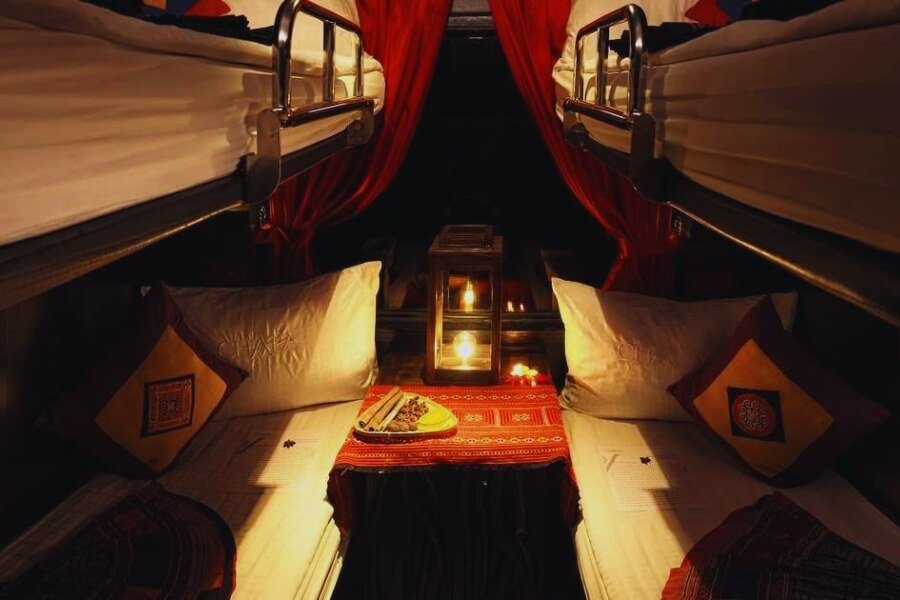
Overnight Train
The train travels from Hanoi to Lao Cai rather than directly to Sapa.
From Lao Cai, travelers need an additional road transfer of approximately 35 kilometers to reach Sapa town.
The train is a good alternative for those who prefer overnight travel and want to experience Vietnam's railway network.
For more detailed mountain experiences, see our dedicated Sapa and Fansipan travel guide.
4.4. Traveling from Hanoi to Ha Giang
Ha Giang is approximately 300 kilometers north of Hanoi and can only be reached by road.
A typical bus journey takes around 5.5–6.5 hours, depending on traffic and the service.
Available options include:
- Sleeper buses.
- Cabin buses.
- Limousine vans.
- Private vehicles.
Many travelers choose an overnight bus to arrive in Ha Giang early in the morning before beginning their loop journey.
However, if you prefer a more relaxed experience, a daytime transfer with a rest stop may be more comfortable.
For the Ha Giang Loop itself, consider an experienced local driver or Easy Rider if you are unfamiliar with mountain motorbike routes.
5. Practical Tips for Planning Your Northern Vietnam Trip
A well-organized trip is not simply about visiting as many places as possible. It is about choosing a route that matches your interests and allowing enough time to enjoy each destination.
The following tips can help you organize your journey more effectively.
5.1. Choosing the Right Route and Travel Pace
Before booking transportation and accommodation, decide what type of experience you want.
If this is your first visit, focus on Hanoi, Ninh Binh and Ha Long Bay. These destinations offer a balanced introduction to Northern Vietnam.
If you enjoy trekking and cultural experiences, add Sapa.
If you prefer adventurous road journeys and remote mountain scenery, consider Ha Giang.
Travelers with limited time should avoid combining too many distant destinations. A journey that includes several long transfers may leave little time for sightseeing.
A good itinerary should balance:
- Time spent exploring each destination.
- Travel time between locations.
- Overnight accommodation arrangements.
- Opportunities for rest and flexibility.
If you are unsure which route best suits your available days, a customized itinerary can help simplify transportation and sightseeing arrangements.
5.2. Transportation and Accommodation Planning
Book important transportation and accommodation arrangements in advance, especially when your itinerary includes overnight cruises, mountain destinations or popular travel periods.
Consider the following:
Hanoi
Choose accommodation near the Old Quarter or Hoan Kiem Lake if you want convenient access to major attractions and local restaurants.
Ninh Binh
Staying around Tam Coc or Trang An provides convenient access to boat trips, countryside cycling and nearby attractions.
Ha Long Bay
If you book an overnight cruise, confirm the departure port, pickup arrangements, boarding time and included services.
Sapa
Choose accommodation according to your preferred experience. Staying in Sapa town is convenient for restaurants and transportation, while accommodation in nearby villages may offer a quieter countryside atmosphere.
Ha Giang
Book accommodation and transportation carefully, especially if you are planning a multi-day loop.
For mountain journeys, avoid scheduling an international flight immediately after a long road transfer. An additional night in Hanoi provides useful flexibility.
5.3. Important Tips for Mountain Destinations
Mountain destinations require more preparation than city sightseeing.
Road conditions, visibility and travel times can change, particularly after heavy rainfall.
Keep these considerations in mind:
- Wear comfortable walking shoes for trekking and uneven paths.
- Bring suitable clothing for changing mountain temperatures.
- Carry sufficient drinking water during outdoor activities.
- Allow extra time for road journeys.
- Check local road and weather conditions before departure.
- Use experienced local drivers for challenging mountain routes.
- Do not attempt to ride the Ha Giang Loop without the appropriate experience, legal driving requirements and safety equipment.
For detailed seasonal information, read our guide to [the best time to visit Vietnam](https://auasiatravel.com/b488-best-time-to-visit-vietnam.html).
If you are planning a longer holiday beyond Northern Vietnam, our [15-day Vietnam itinerary guide](https://auasiatravel.com/b486-15-days-in-vietnam-itinerary.html) provides additional ideas for combining destinations across the country.
6. Frequently Asked Questions About Northern Vietnam
How Many Days Do I Need in Northern Vietnam?
Seven days is enough to explore the main highlights, such as Hanoi, Ninh Binh and Ha Long Bay. Ten days provides additional time for Sapa, while 14 days allows you to explore more mountain destinations or add a countryside extension.
What Are the Best Places to Visit in Northern Vietnam?
Some of the most popular destinations include Hanoi, Ninh Binh, Ha Long Bay, Sapa and Ha Giang. Travelers with more time can also explore Mai Chau, Pu Luong, Cao Bang and Ba Be Lake.
What Should I Not Miss in Northern Vietnam?
For first-time visitors, Hanoi's Old Quarter, a boat trip in Ninh Binh, an overnight Ha Long Bay cruise and Sapa's mountain landscapes are excellent experiences to prioritize.
If you enjoy adventure, the Ha Giang Loop is another memorable option.
Is Northern Vietnam Worth Visiting?
Yes. Northern Vietnam offers a distinctive combination of history, natural scenery, traditional communities and outdoor activities. It is particularly appealing to travelers who want to experience both urban culture and the countryside in one trip.
Can I Include the Ha Giang Loop in a 10-Day Northern Vietnam Itinerary?
Yes, but you will need to make compromises. The Ha Giang Loop generally takes three to four days, excluding transfers from Hanoi. You may need to replace Sapa or another destination rather than adding Ha Giang to an already full itinerary.
What Is One of the Biggest Mistakes to Avoid When Planning a Northern Vietnam Trip?
One of the biggest mistakes is trying to visit too many destinations in a limited number of days.
Northern Vietnam includes mountain roads, countryside routes and coastal destinations, so travel times can be longer than expected. Choose fewer destinations and allow enough time to enjoy each experience.
7. Plan Your Northern Vietnam Journey with Auasia Travel
Northern Vietnam offers many different travel experiences, from Hanoi's historic streets and Ninh Binh's limestone landscapes to Ha Long Bay's overnight cruises and Sapa's mountain villages.
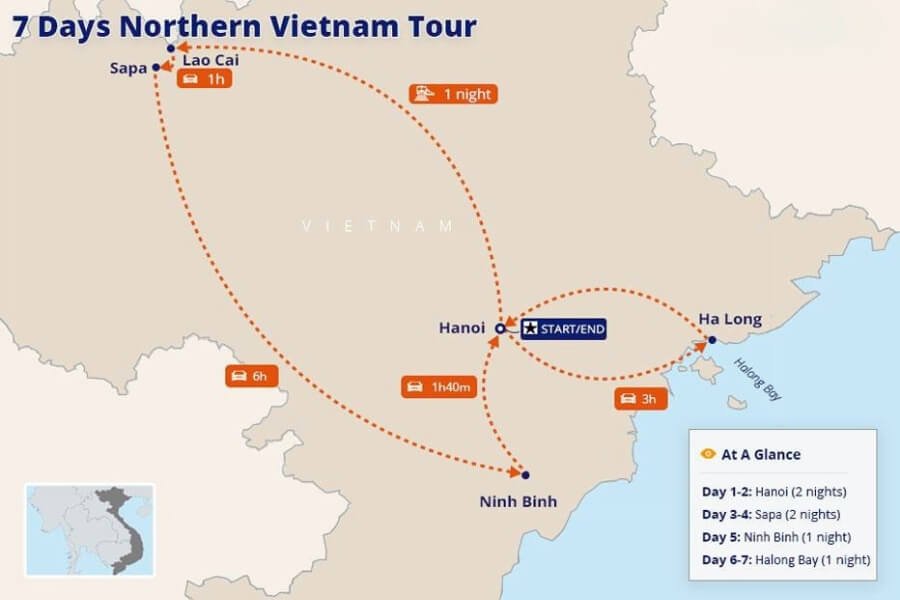
The best itinerary depends on how many days you have, the destinations you want to explore and the type of experiences you enjoy.
If you prefer a more comprehensive journey beyond the classic sightseeing route, explore Auasia Travel's Northern Vietnam Hidden Gems Tour – 10 Days, combining Hanoi, Sapa, Mai Chau, Pu Luong, Ninh Binh, Cuc Phuong National Park and Ha Long Bay.
This private journey includes a combination of mountain trekking, countryside experiences, cultural encounters and an overnight cruise.
It is particularly suitable for travelers who want to explore beyond the classic Hanoi–Ninh Binh–Ha Long Bay route while enjoying organized transportation and local English-speaking guides.

Contact Auasia Travel to discuss your travel dates, preferred experiences and customized arrangements.
Whether you prefer a classic seven-day journey, a balanced ten-day holiday or an extended two-week adventure, Auasia Travel can help you plan a Northern Vietnam experience that matches your travel dates and preferences.
Tags:
Read this next


Best Time To Visit Vietnam: A Month-by-Month And Regional Guide



Quick Contact
WHAT TRAVELERS SAY ABOUT AUASIA TRAVEL
See Real Experiences from Our Travelers


