
- Best Price
- Recommended
Private Hanoi Craft Village Tour: Silk Weaving, Wood Carving & Bamboo Dragonfly Workshop


Overview
Discover the living craft traditions of northern Vietnam on this private Hanoi craft village tour, combining three artisan communities with a visit to historic Tay Phuong Pagoda. Travel comfortably with your own English-speaking guide and private vehicle as you explore Van Phuc Silk Village, meet skilled woodcarvers in Son Dong Village, and join a hands-on bamboo dragonfly workshop in Thach Xa.
At Van Phuc Silk Village, learn how traditional silk is woven and browse locally made scarves and fabrics. Continue to Son Dong, where artisans hand-carve and finish wooden Buddhist statues and worship objects using techniques passed down through generations. After a local Vietnamese lunch, create your own colorful bamboo dragonfly in Thach Xa Village before ending the cultural journey at Tay Phuong Pagoda, renowned for its historic architecture and remarkable wooden sculpture collection.
This full-day experience is ideal for travelers seeking an authentic cultural day trip from Hanoi, with meaningful local interaction, comfortable private touring and a handmade souvenir to take home.
- Private Hanoi day tour: Travel at a comfortable pace with your own English-speaking guide and private air-conditioned vehicle.
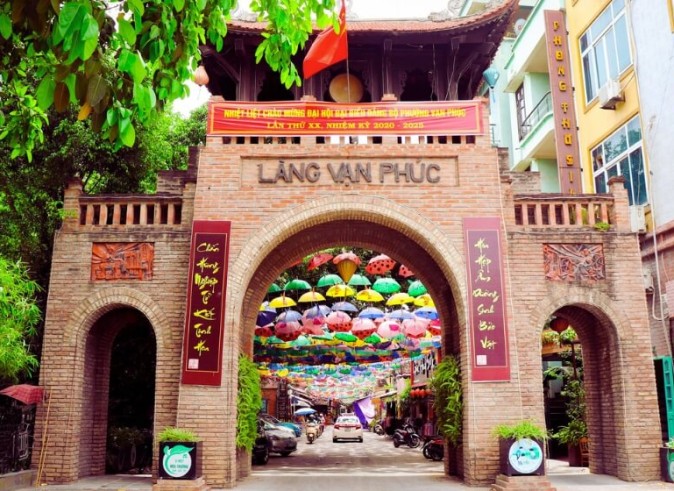
- Van Phuc Silk Village: Discover one of Hanoi’s best-known traditional silk villages and observe the weaving process behind locally made textiles.
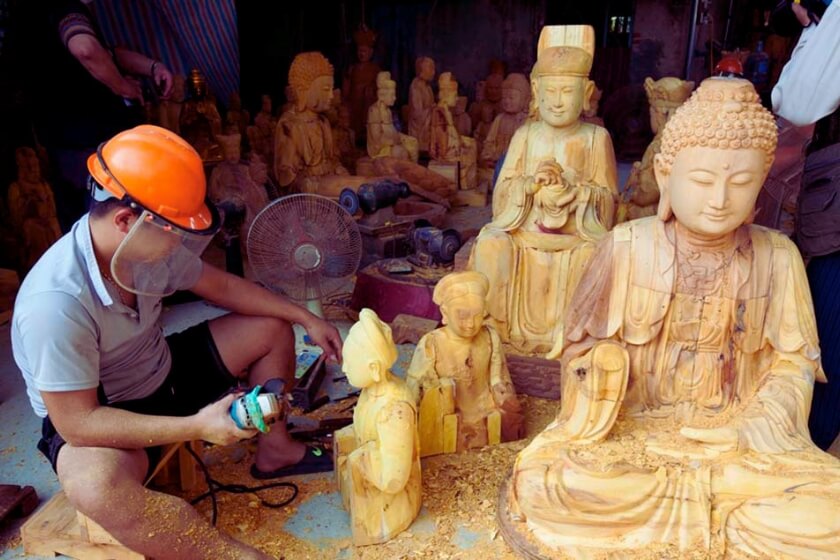
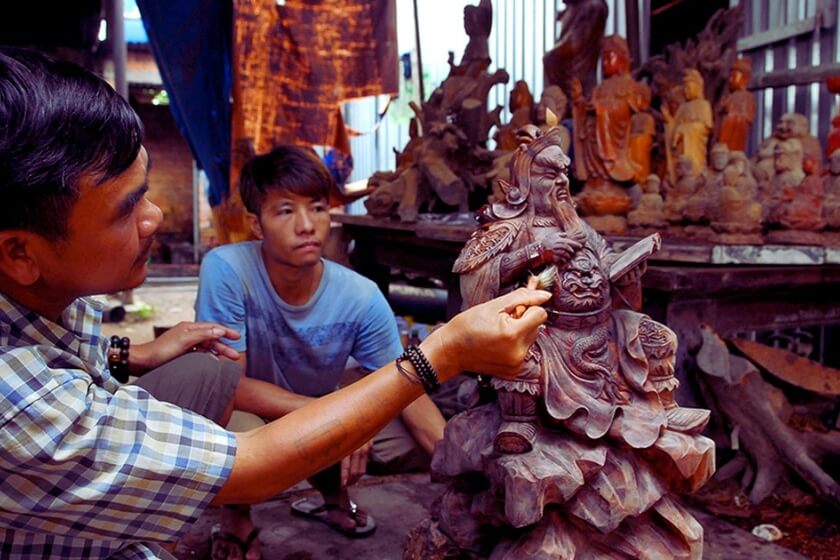
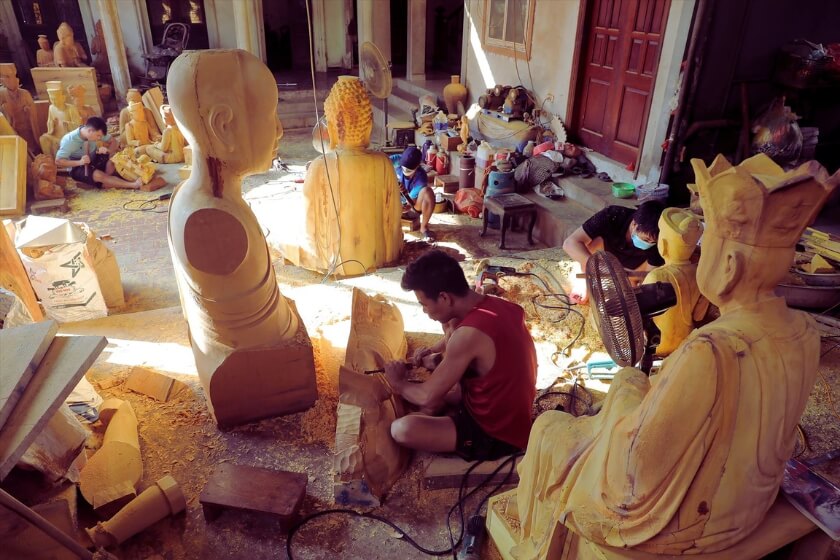
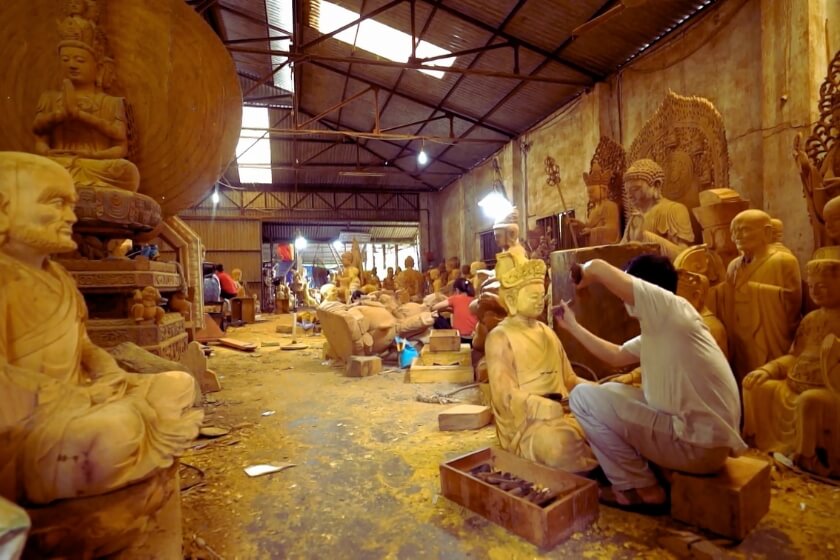
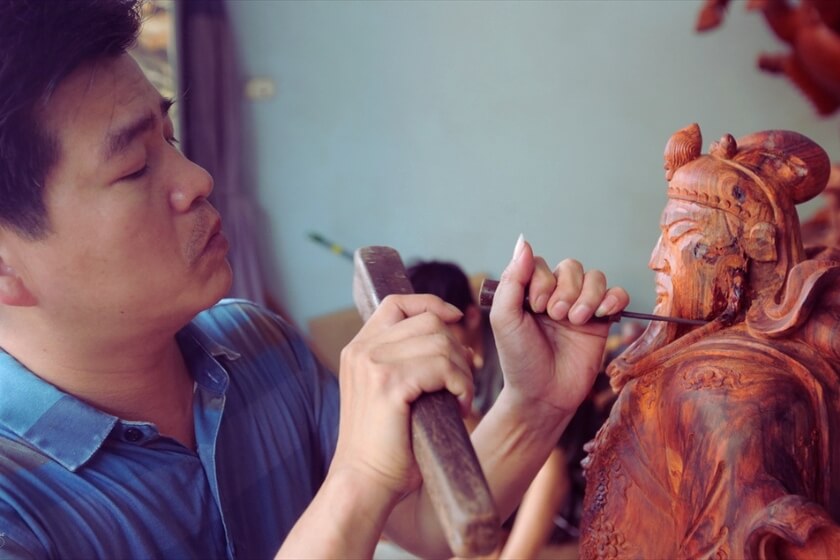
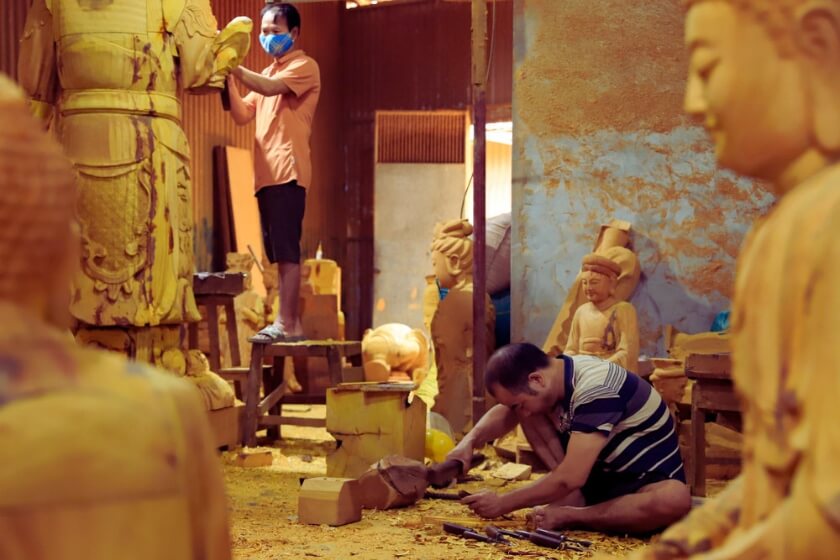
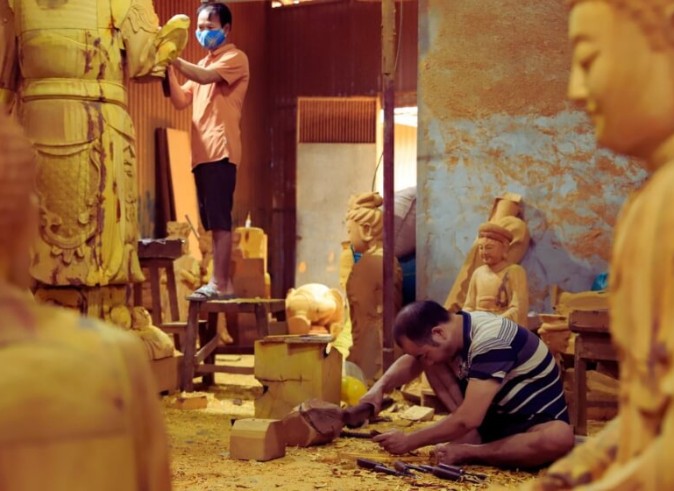
- Son Dong Wood Carving Village: Step inside working artisan workshops known for hand-carved wooden statues and lacquered worship objects.
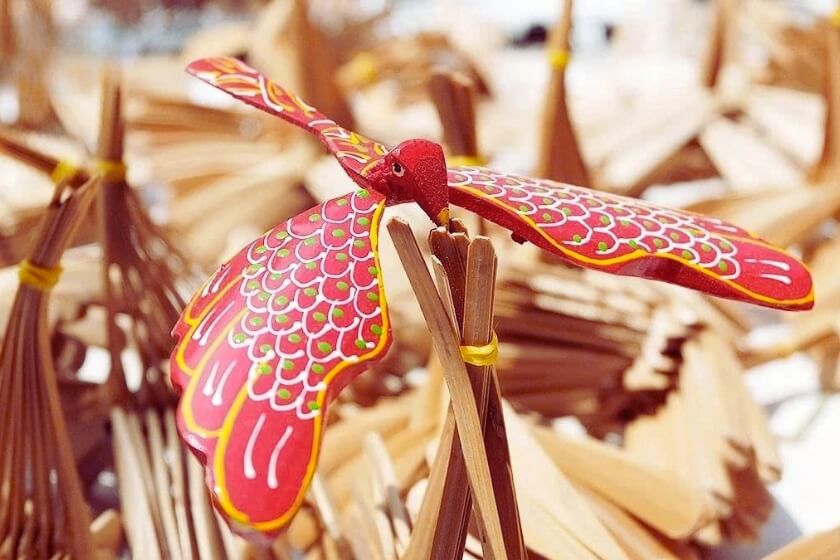
- Thach Xa Bamboo Dragonfly Workshop: Create and decorate your own balancing bamboo dragonfly with guidance from a local artisan.
- Local Vietnamese lunch: Enjoy a countryside meal featuring traditional northern Vietnamese flavors.
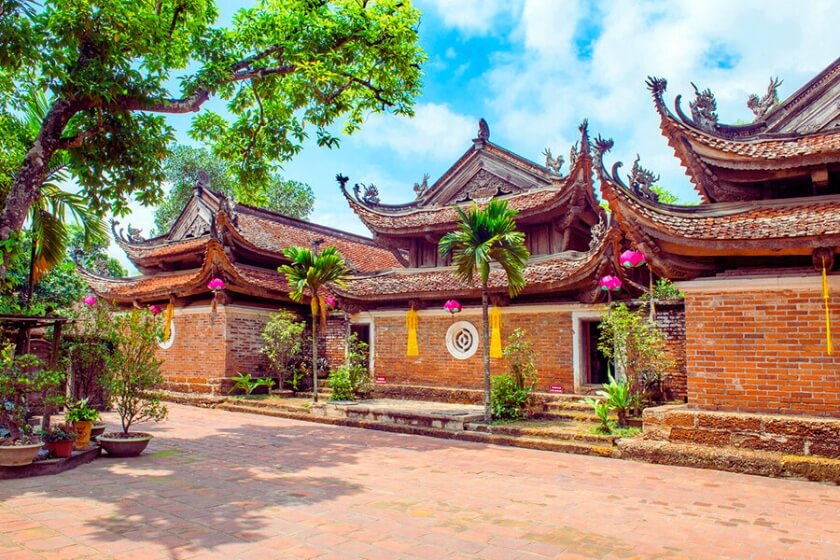
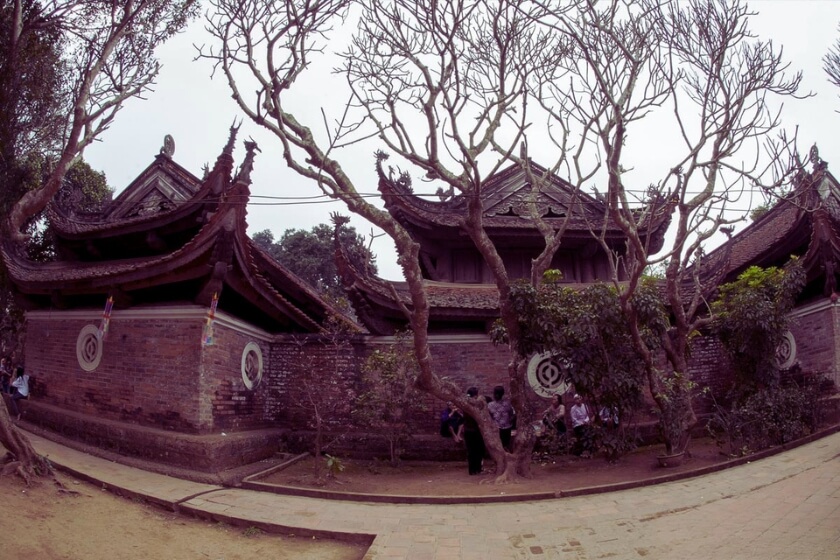
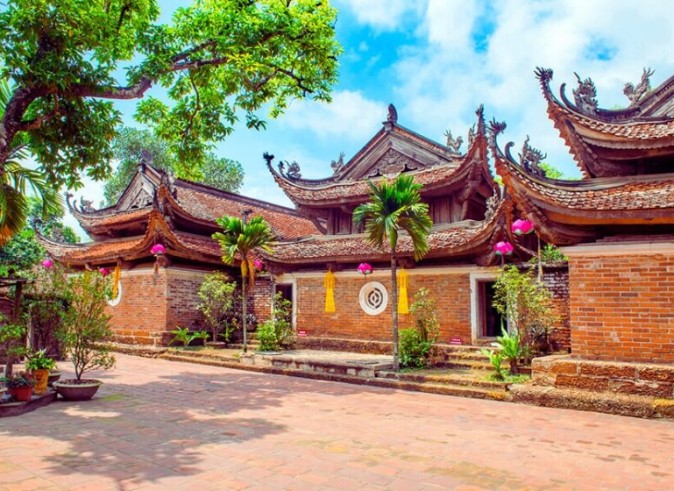
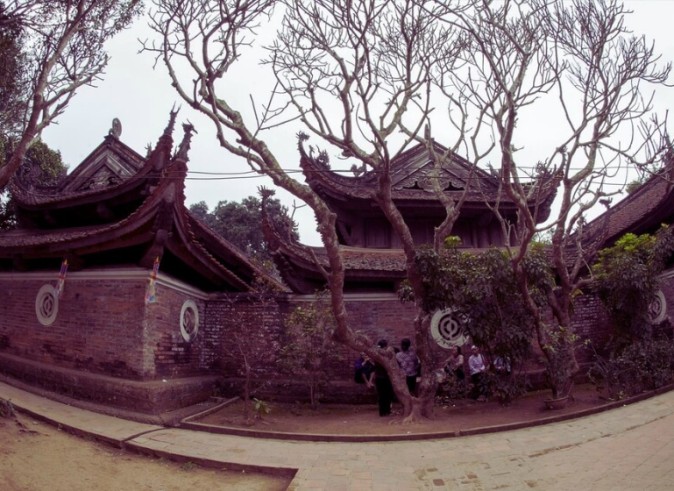
- Tay Phuong Pagoda: Visit a historic pagoda known for its architecture, hillside setting and celebrated wooden Buddhist sculptures.
- Meaningful local souvenir: Bring home your own handmade bamboo dragonfly as a personal memory of the day.
Places you’ll see

Itinerary
Expand All

08:30 AM — Hotel Pickup
Your private English-speaking guide and driver will meet you at your hotel in Hanoi city center or the Hanoi Old Quarter. Travel by private air-conditioned vehicle as you leave the busy city behind and begin a rewarding cultural journey through the traditional craft villages surrounding Hanoi.
This private Hanoi craft village tour is designed for travelers who want to experience local craftsmanship at a comfortable pace, with opportunities to meet artisans, observe traditional skills and take part in a meaningful hands-on activity.
09:00 AM – 10:30 AM: Van Phuc Silk Village
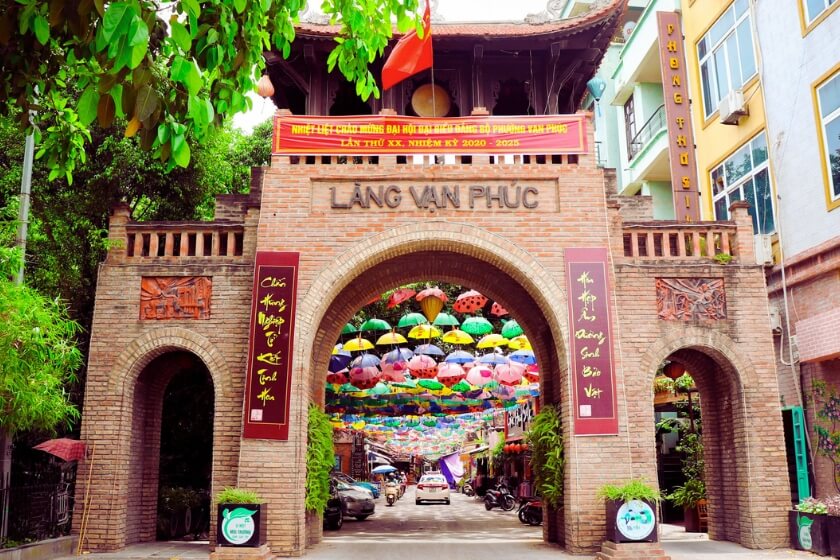
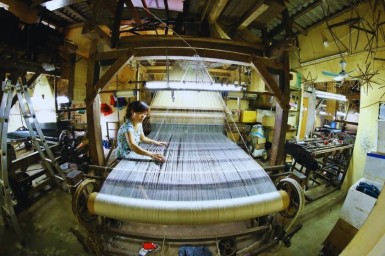
Begin your artisan journey at Van Phuc Silk Village, one of Hanoi’s best-known traditional silk-weaving communities. Walk through the village with your guide and learn how silk has remained an important part of Vietnamese craftsmanship and everyday life for generations.
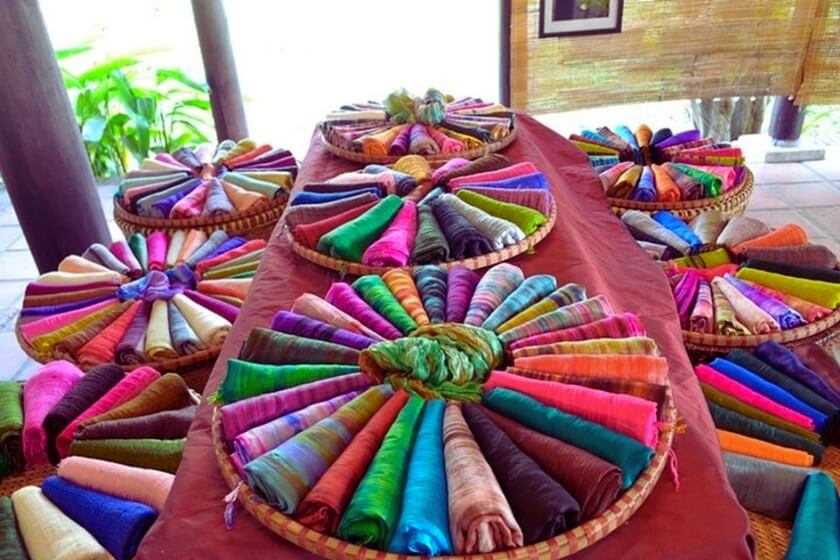
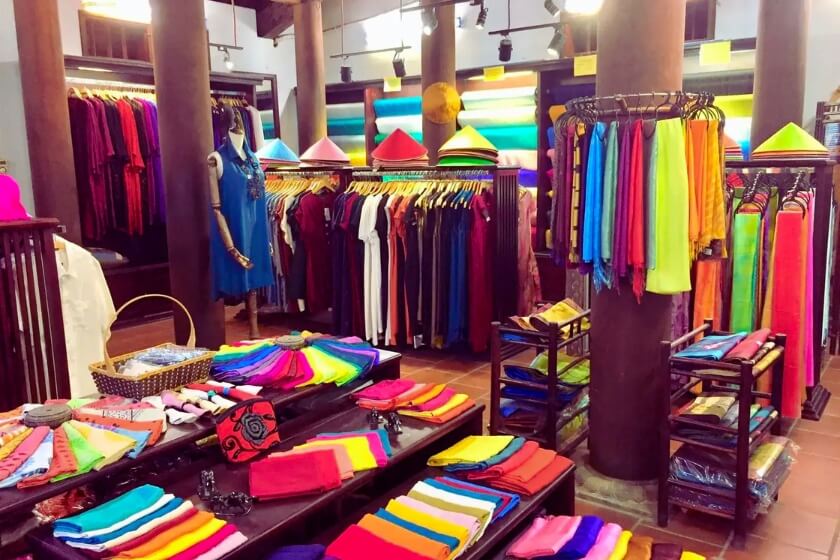
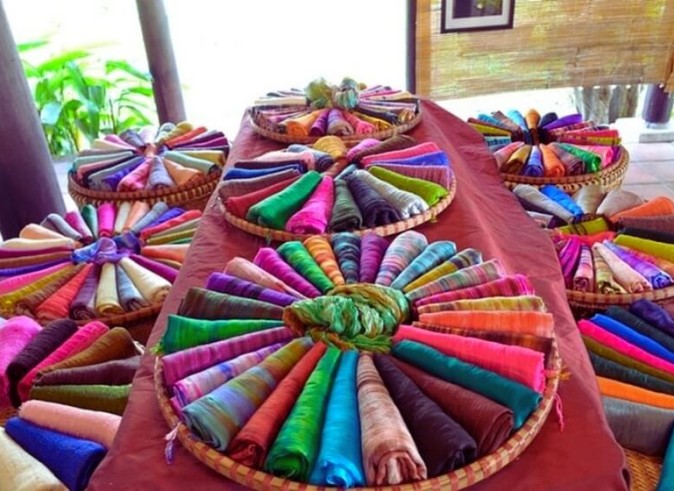
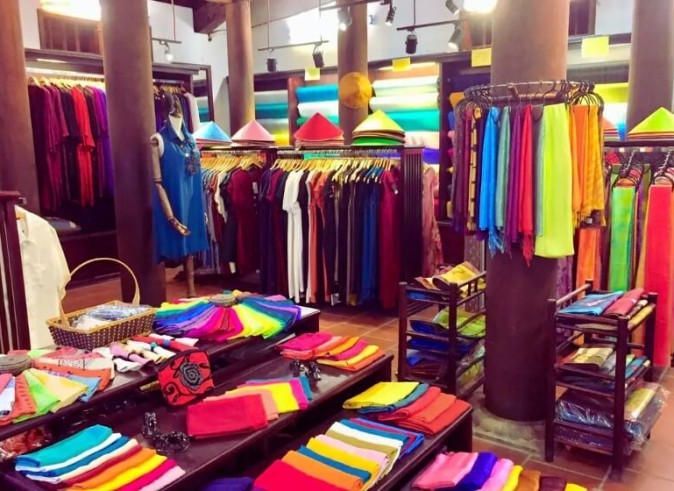
Where available, you will observe local weaving activities and see how fine silk fabrics are created from thread to finished textile. The village is also a pleasant place to browse locally made scarves, fabrics, traditional dress materials and small silk gifts at your own pace.
This first stop offers a gentle introduction to Hanoi’s living craft heritage, combining traditional techniques with the daily rhythm of a working artisan community.
11:00 AM – 12:30 PM: Son Dong Wood Carving Village
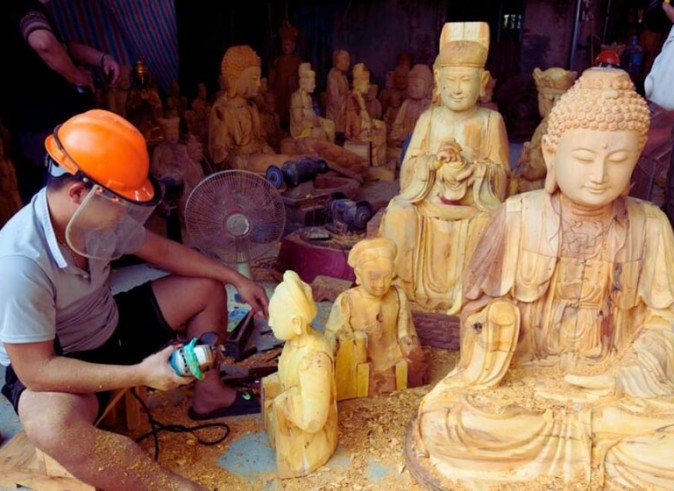
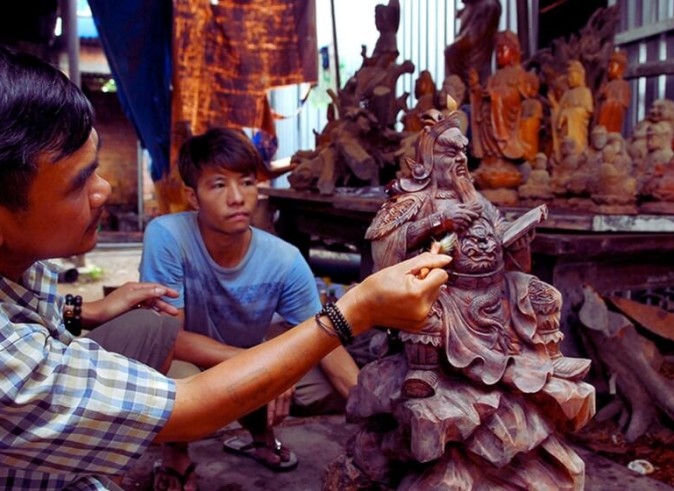
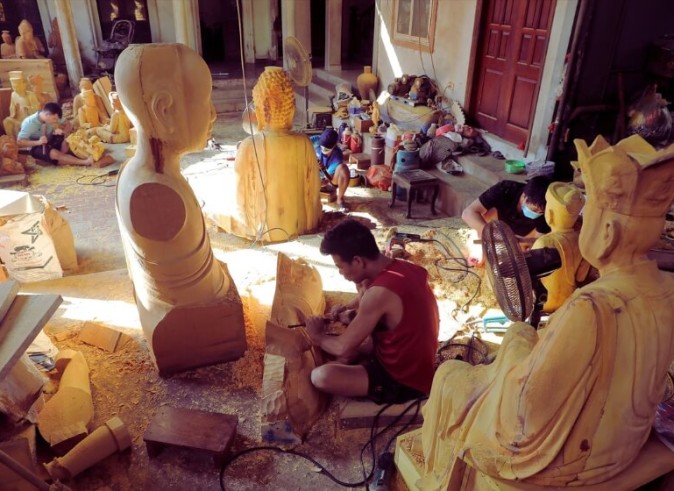
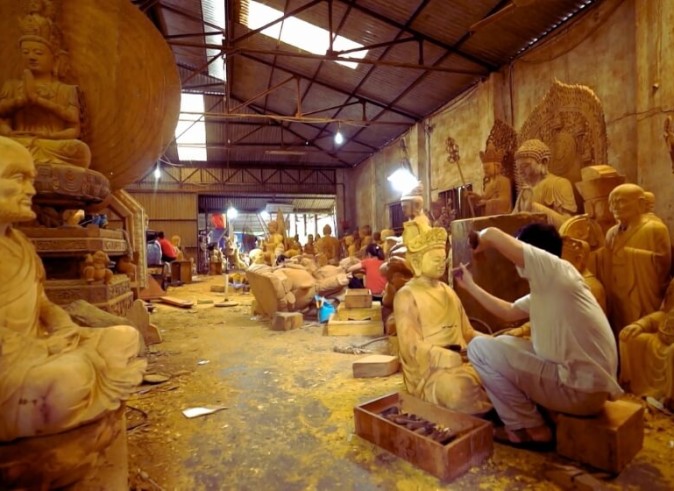
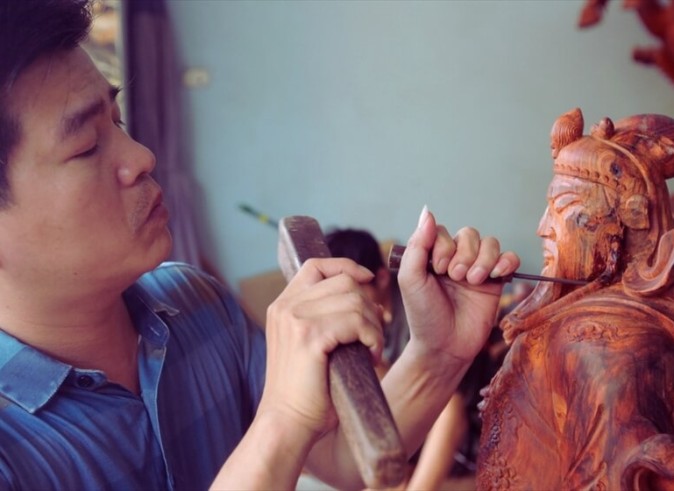
Continue to Son Dong Wood Carving Village, known for its skilled artisans and traditional hand-carved wooden religious sculptures and worship objects.
Visit a local workshop to observe craftsmen shaping, carving, sanding and finishing wooden pieces by hand. Your guide will explain the careful process behind these works, from the selection of wood to the detailed carving and decorative finishing techniques used for statues and objects displayed in pagodas, temples and family worship spaces across Vietnam.
More than a sightseeing stop, this visit gives you a closer look at the patience, precision and inherited skills that continue to define traditional Vietnamese wood carving.
12:30 PM – 01:30 PM: Local Vietnamese Lunch
Take a break for a local Vietnamese lunch at a countryside restaurant during the journey. Enjoy a selection of northern Vietnamese dishes in a relaxed setting before continuing to the afternoon experiences.
Vegetarian meals and other dietary requirements can be arranged with advance notice.
02:00 PM – 03:00 PM: Thach Xa Bamboo Dragonfly Workshop
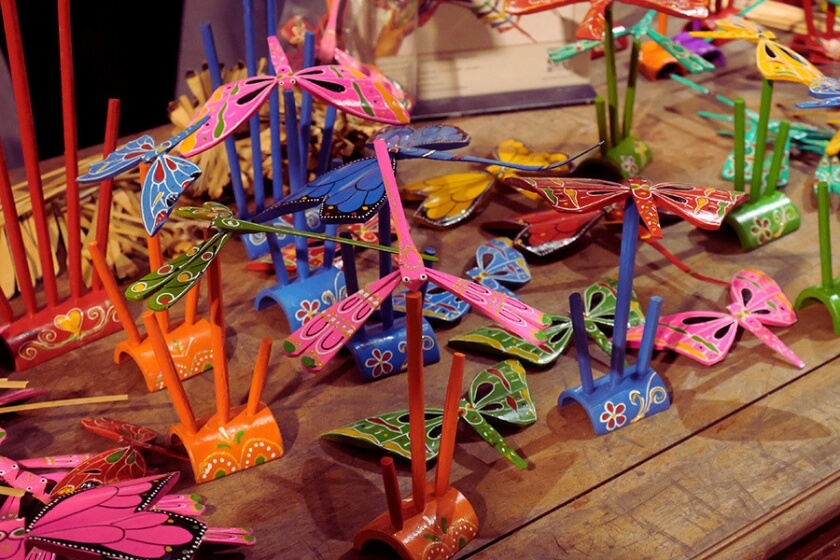
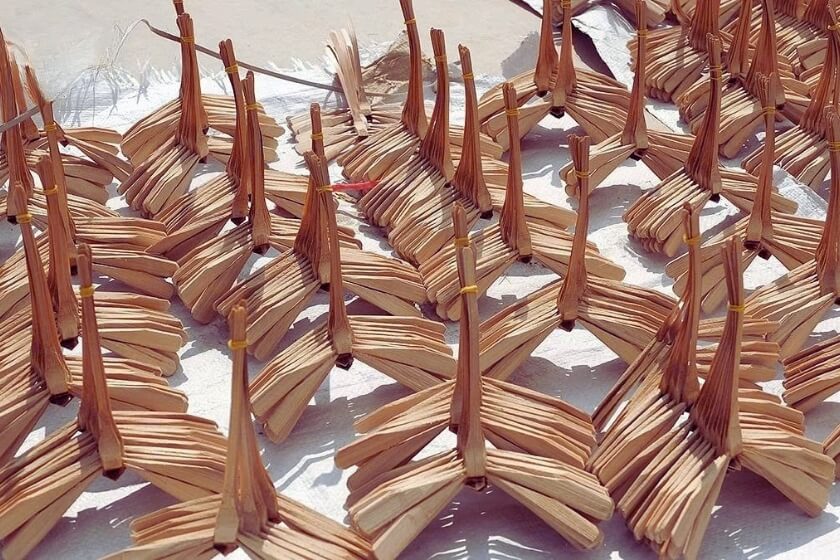
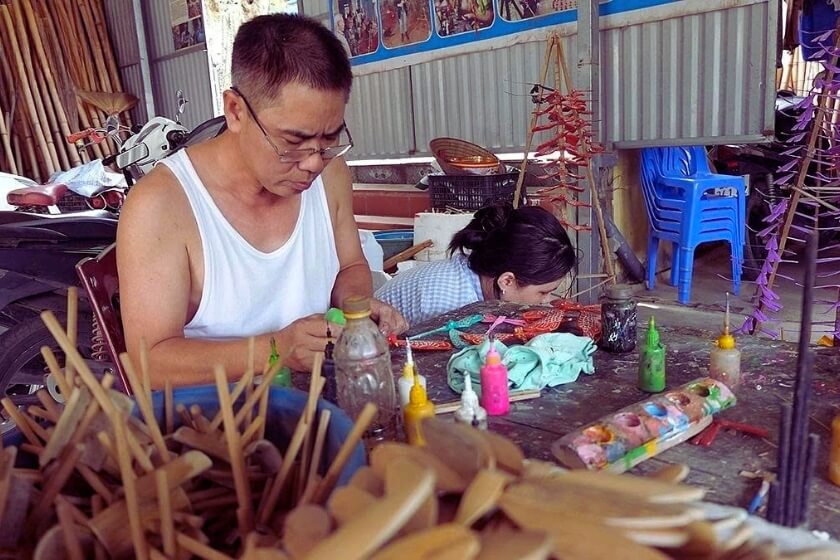
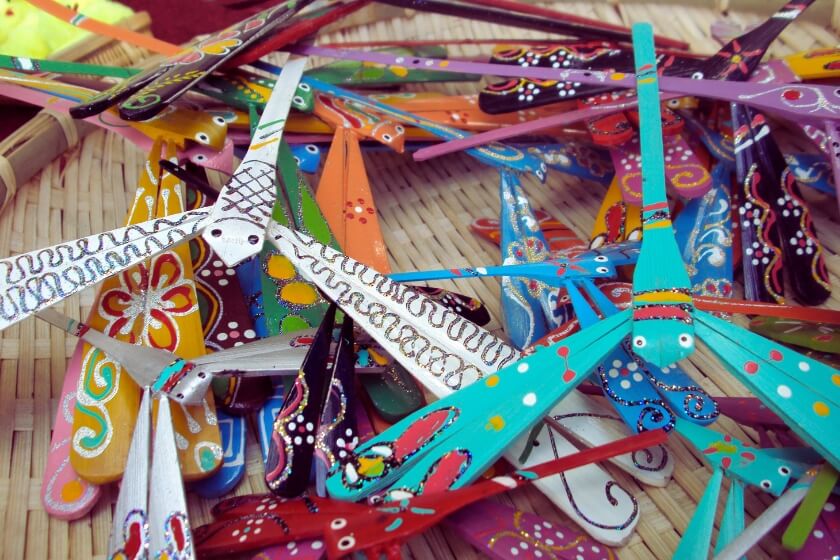
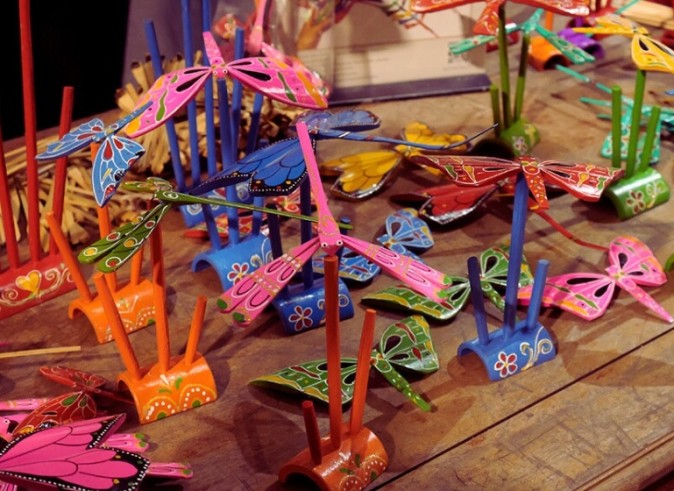
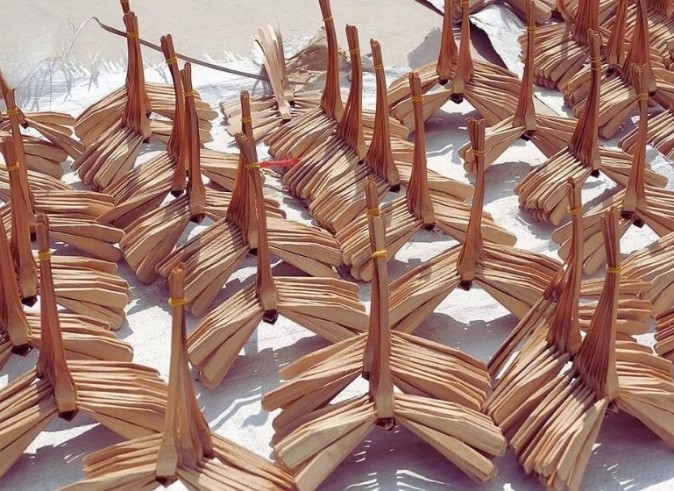
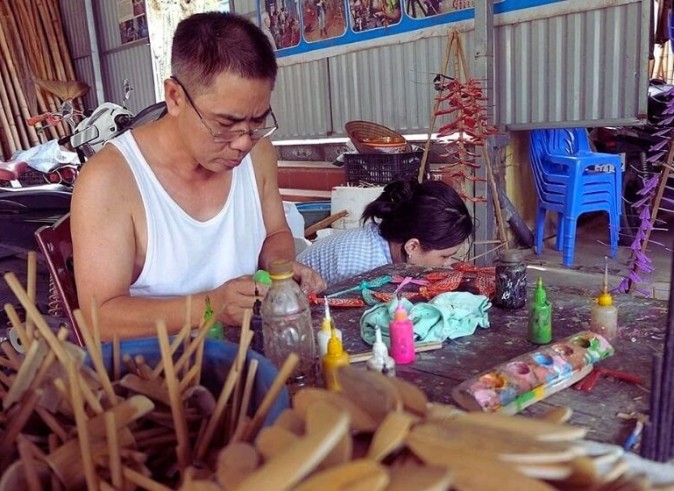
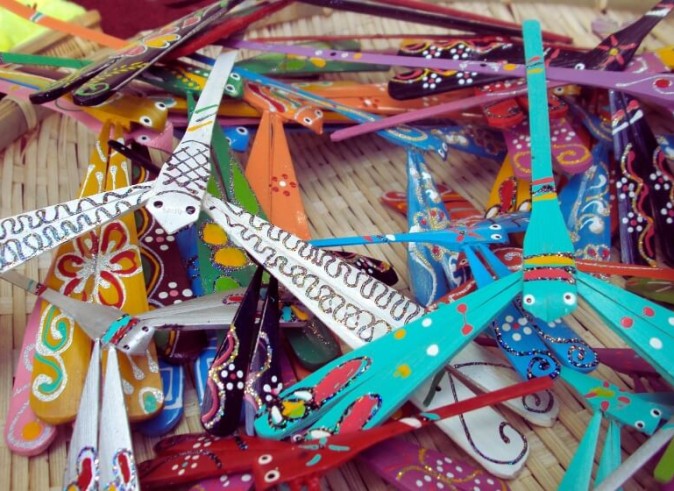
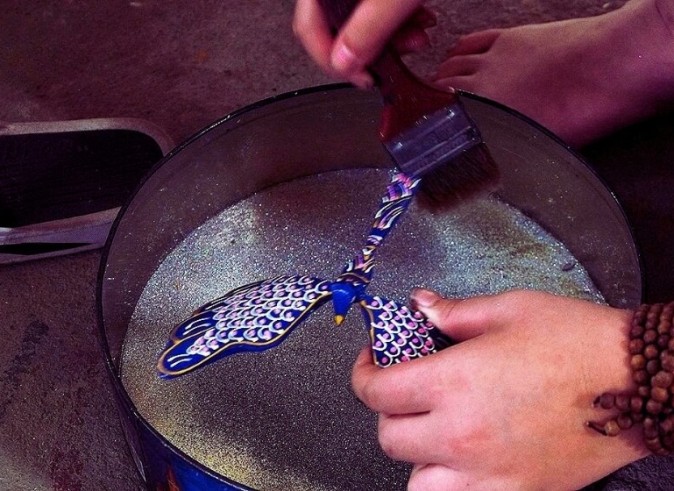
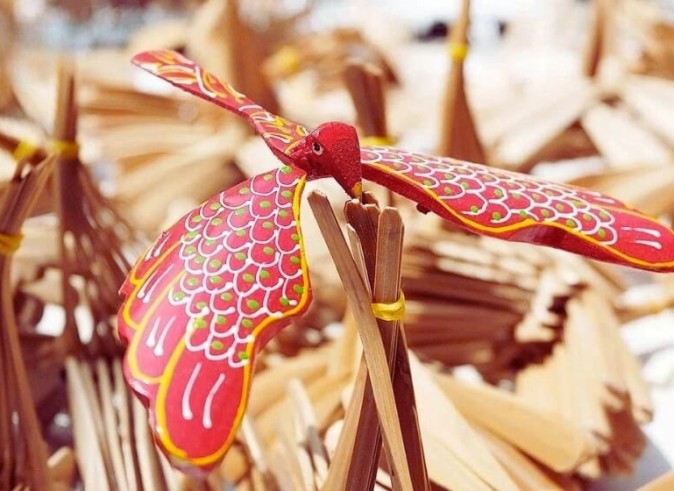
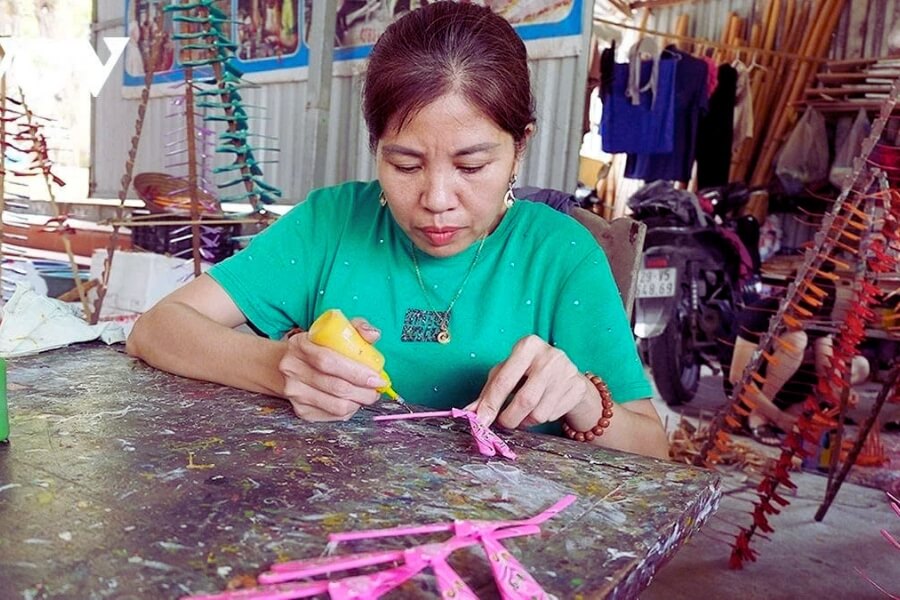
In the afternoon, visit Thach Xa Bamboo Dragonfly Village, where local artisans create colorful balancing dragonflies from bamboo. These playful handmade crafts are carefully shaped and balanced so they can rest delicately on a fingertip or small surface.
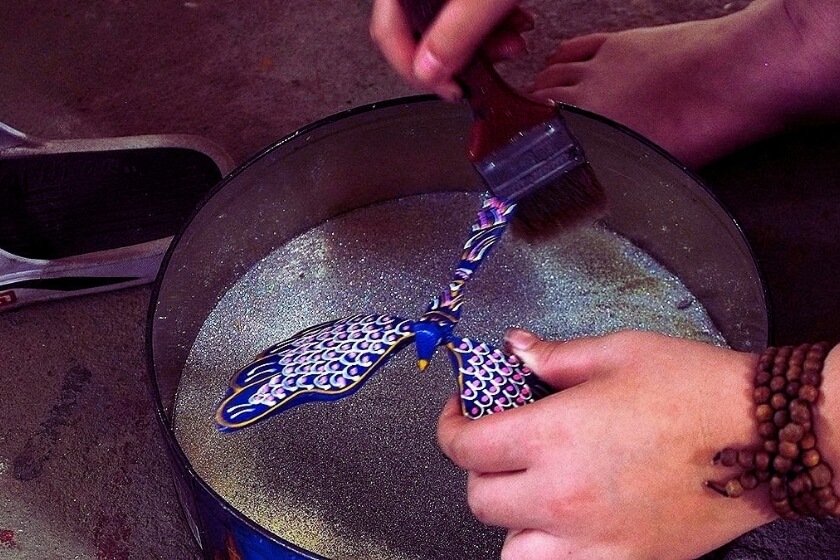
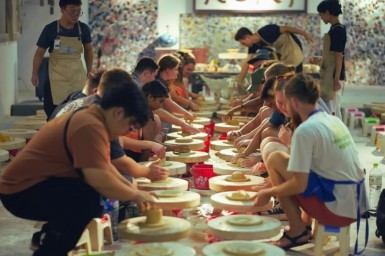
The highlight of your visit is a hands-on bamboo dragonfly workshop. With guidance from a local artisan, you will have the opportunity to complete and decorate your own bamboo dragonfly, learning more about the skill and attention required to create this charming traditional craft.
At the end of the session, take your finished bamboo dragonfly home as a lightweight and meaningful handmade souvenir from your cultural day trip outside Hanoi.
03:00 PM – 04:00 PM: Tay Phuong Pagoda
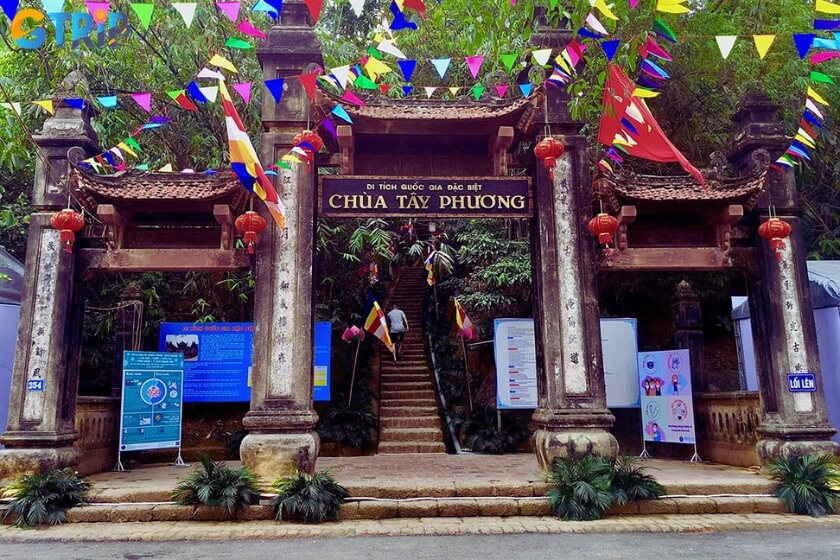
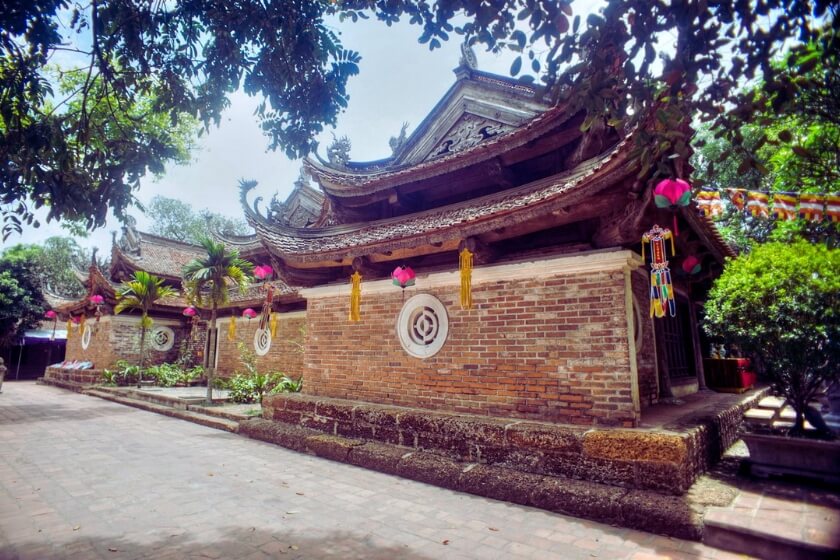
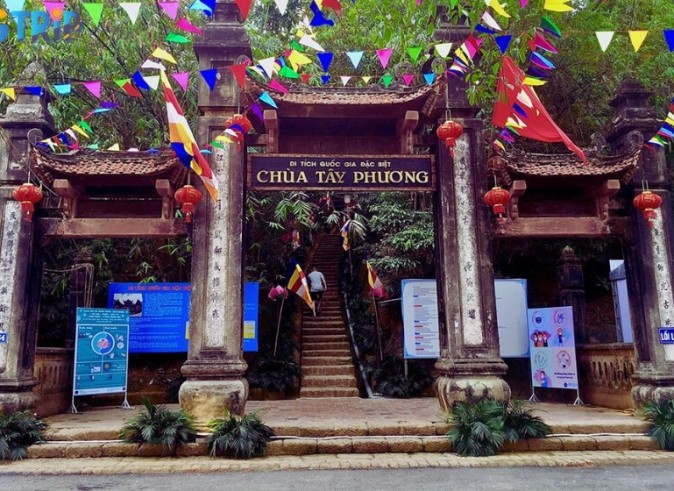
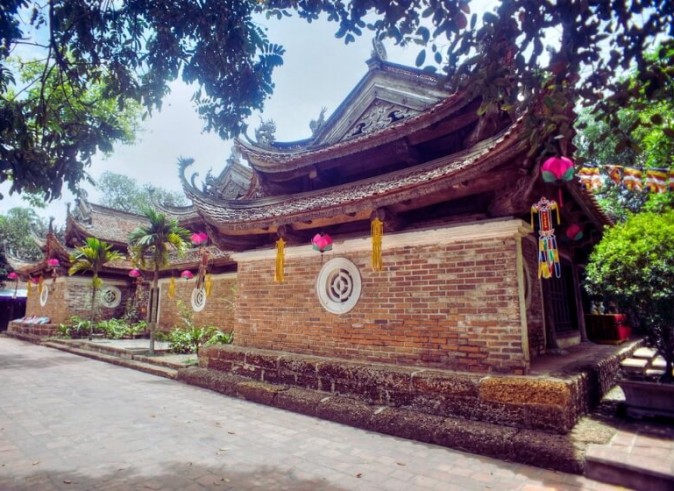
Conclude your cultural exploration at Tay Phuong Pagoda, a historic hillside pagoda admired for its traditional architecture and remarkable collection of wooden Buddhist sculptures.
To reach the pagoda, climb 239 stone steps through a peaceful setting surrounded by trees and countryside scenery. Once at the top, explore the pagoda complex with your guide and learn more about its spiritual importance and distinctive sculptural heritage.
This final visit adds a deeper cultural dimension to the day, connecting the craftsmanship seen in the villages with the religious and artistic traditions of northern Vietnam.
Please note: The visit to Tay Phuong Pagoda requires climbing 239 stone steps and may not be suitable for guests with limited mobility. An adjusted itinerary can be requested in advance.
05:00 PM – 05:30 PM: Return to Your Hotel in Hanoi
After visiting Tay Phuong Pagoda, relax during the drive back to Hanoi. Your tour concludes with drop-off at your hotel in Hanoi city center or the Hanoi Old Quarter, usually between 5:00 PM and 5:30 PM, depending on traffic and your hotel location.
At the end of the day, you will have explored three traditional craft villages and one of the region’s significant historic pagodas, while gaining a more personal insight into the artisans and cultural traditions that continue to shape life beyond central Hanoi.

Meeting & Pickup
End point
Dates & Availability
Important Information
Expand All- Food and drinks outside the meals specifically stated in the program
- Personal spending, including extra refreshments, phone use, or individual purchases
- Handicrafts, souvenirs, and other optional shopping expenses
- Gratuities for the guide and driver, offered at guests’ discretion
- Any arrangement or service not clearly described in the inclusion list
- For a comfortable full-day cultural experience, we recommend bringing:
- Comfortable walking shoes, as village lanes and workshop areas may be uneven
- Bring sunscreen, a hat, and water during hot months
- Respectful clothing covering shoulders and knees for the visit to Tay Phuong Pagoda
- A camera or smartphone for village and workshop photography
- Some cash if you would like to purchase optional silk products or handmade local crafts
- Please note: Bottled water is included during the tour. As the visit to Tay Phuong Pagoda involves climbing 239 stone steps, guests should wear suitable footwear and consider their personal mobility needs
Payment
- A 30% deposit is needed to guarantee your booking.
- The remaining balance is due at least 10 days before departure.
- In case of cancellation, the deposit is non-refundable after booking confirmation.
Cancellations
In the event of cancellations, the following conditions will apply:
- More than 10 days before departure: 30% of total tour price
- 5–10 days before departure: 50% of total tour price
- 3–5 days before departure: 75% of total tour price
- Within 3 days before departure or no-show: 100% of total tour price
- Cancellation time is calculated based on working days (excluding weekends and public holidays)
Refunds
- Any applicable refunds will be processed after deducting relevant fees and banking charges.
- The time it takes to receive your refund may vary based on your payment provider.
- Tour duration: Full day, usually from approximately 8:30 AM to 5:00–5:30 PM
- Tour type: Private tour with English-speaking guide and private vehicle
- Activity level: Light to moderate walking, plus 239 stone steps at Tay Phuong Pagoda
- Dietary requests: Vegetarian and other dietary requirements can be arranged with advance notice
- Dress code: Respectful clothing is recommended for the pagoda visit
- Optional shopping: Silk products and local handicrafts are available to purchase directly from village workshops
- Flexible routing: Guests who prefer to avoid the pagoda climb may request an adjusted itinerary
- Traffic conditions: Return time may vary slightly depending on Hanoi traffic
- Infants under 2 years old: Free of charge; any required entrance fees are payable directly, if applicable.
- Children from 2 to under 12 years old: Charged at 75% of the adult price for this day tour.
- Children aged 12 years and above: Charged at the full adult price.
- A child’s age is calculated based on the date of travel.
Frequently asked questions
Everything you need to know about this tour
Is this Hanoi craft village tour private?
Yes. This tour is arranged as a private experience with your own English-speaking guide and private air-conditioned vehicle.
What is the tour’s pickup and drop-off location?
The tour includes pickup and drop-off at your hotel in Hanoi city center or the Hanoi Old Quarter. Pickup is usually around 8:30 AM, with return to Hanoi at approximately 5:00–5:30 PM, depending on traffic.
Which traditional craft villages will I visit on this tour?
The tour visits Van Phuc Silk Village, Son Dong Wood Carving Village and Thach Xa Bamboo Dragonfly Village, followed by a visit to Tay Phuong Pagoda.
Still deciding if this tour is right for you?
This customizable tour can be tailored to your travel style, dates, and preferences.
Tell us what you’re looking for — we’ll create a personalized trip just for you.
Customer Reviews
Review details
-
JEJeannette | United States
 Mar 19, 2024
A Meaningful Mother-Daughter Day Exploring Hanoi’s Traditional Crafts
My mother and I joined the Private Hanoi Craft Village Tour with Silk Weaving, Wood Carving & Bamboo Dragonfly Workshop during our first visit to Vietnam, and it became one of the most memorable days of our trip.From the beginning, Auasia Travel made everything easy to arrange. Minh Hien was responsive and helpful throughout the booking process, and she even ..More -
RORoger Alfonso | Canada
 Mar 11, 2024
A Well-Planned Day Discovering Hanoi’s Artisan Villages
Planning cultural experiences around Hanoi can be difficult when there are so many villages and temples to choose from, so booking this private Hanoi craft village tour with Auasia Travel made the day much easier and more enjoyable.From the first contact, Jane was thoughtful, efficient and quick to answer our questions. She listened carefully to the kind of experience ..More -
SASally | United States
Feb 13, 2024
A Rewarding Solo Day Exploring Hanoi’s Traditional Craft Villages
Travelling alone in Vietnam for the first time, I wanted to explore beyond the usual city sights but was not sure which experiences around Hanoi would be worthwhile. Booking the Private Hanoi Craft Village Tour with Auasia Travel turned out to be one of the highlights of my journey.Jane was attentive from the beginning and took time to understand my interest in local ..More
From
$79 per personPlan your adventure
Related Tours
 France
 Ireland

 United States

 Denmark
 United Kingdom
WHAT TRAVELERS SAY ABOUT AUASIA TRAVEL
See Real Experiences from Our Travelers


